Contents
- Alpha School: Entrepreneurship and Leadership
- Texas Sports Academy: Composure Under Pressure and NIL Readiness
- GT School: Critical Thinking and Communication
- NextGen Academy: Game Development and Teamwork
- Future Skills at Private Schools: Four Schools, No Academic Trade-Off
Most schools describe their ideal graduate in wildly generic terms. Well-mannered, hard-working, diligent, tries hard: a list so general it could fit almost anyone… which means it was written for no one in particular. Students are unique, and each deserves an education that builds on who they are and who they want to become. Here are four schools supporting future skills that match the students in the room.
Almost every private school now claims a focus on future skills.
The promise usually comes with a list of qualities and skills every graduate is supposed to leave with, displayed in the front hall and printed in the admissions brochure. There’s real value in setting those expectations. A shared goal gives a faculty something to aim at and a parent something to ask about.
But take a second to look at that school’s schedule. Math at 8:15. English at 9:05. Science, history, lunch, a test review, maybe a club after the last bell. It leaves you scratching your head, wondering when students actually get the space to practice those promised skills.
For most schools, the reality is a lecture-based day that hasn’t changed in over a century. Stretched so thin that time for ‘skill building’ is almost laughable.
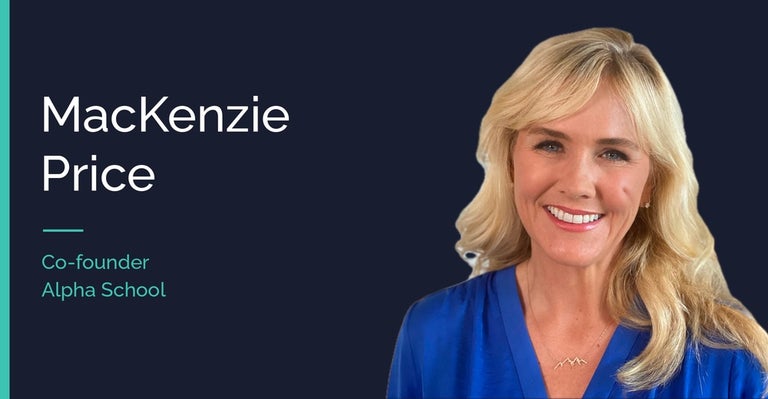
In the words of MacKenzie Price, co-founder of Alpha School:
“The skills that actually determine success, like public speaking, negotiation, resilience, and leadership, get shoved into an optional elective. Or ignored entirely.”
‘We build future skills’ is a hard sell when your schedule says they don’t deserve a single minute all to themself.
And that narrow focus comes with mounting costs that students are left paying long after they leave the classroom. Among recent US college graduates aged 22 to 27, the New York Fed puts unemployment at about 5.6% (2026:Q2) and underemployment at 42% (2026:Q2). That’s a heck of a lot of kids hitting the real world just to be told their skills aren’t what’s needed.
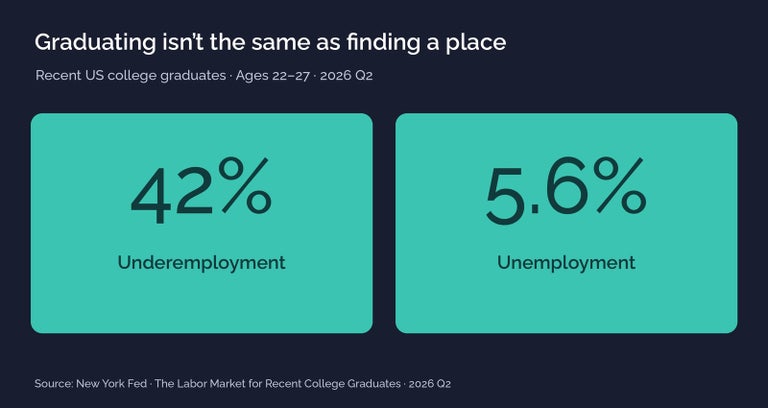
Now, I hear you: these are college grads, not K-12 students. But let me be clear, the professional woes they’re facing today trace back to a foundation that left them underprepared a long time ago.
Here are four schools saying HECK NO to that model, and building future skills that stick with their kids for life.
Alpha School: Entrepreneurship and Leadership
- 📍 Location: Campuses across the US
- 🎓 Grades: K–12
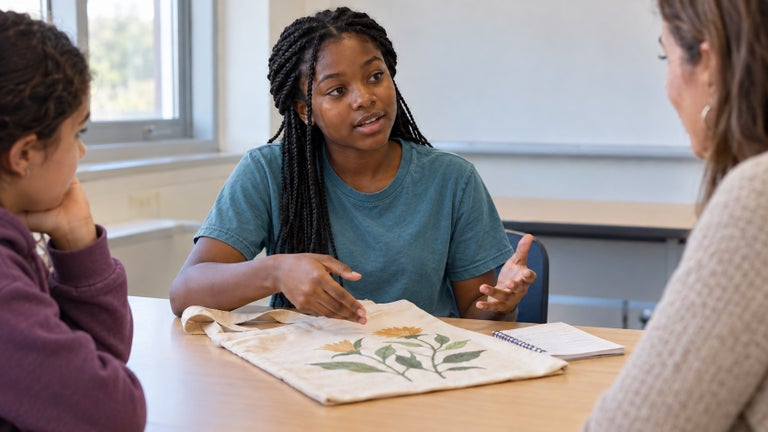
Picture a 14-year-old who walks into a room of adults, pitches a business she built, and takes the hard questions without looking at her shoes. That’s the high school graduate Alpha School is built to support: the kid chomping at the bit to create something new.
Most schools already have her. She’s the one running a sneaker resale business out of a backpack at lunch, hustling week after week, no external motivation required.
Right up until her school confiscates her stock and calls home for disciplinary issues.
In that traditional classroom, nobody bothers to stop and ask, ‘how can we help this kid scratch that entrepreneurial itch?’ No questions about how she matched market demand. Nothing about who taught her how to set prices. Just a note about school rules and that’s the end of that.
Alpha takes a completely different approach to skill development.
Kids accelerate through academics in 2 focused hours a day, then dedicate afternoons to hands-on workshops. We’re talking teamwork, leadership, public speaking, entrepreneurship, financial literacy. The list goes on and on.
It’s a place where the backpack hustle stops being contraband and becomes the whole point of the day.
MacKenzie puts that difference in two sentences:
“Our students don’t just ‘study’ leadership; they actually lead. They don’t just ‘learn’ public speaking; they actually persuade. They don’t just ‘discuss’ resilience; they fail, iterate, and win in real life.”
Texas Sports Academy: Composure Under Pressure and NIL Readiness
- 📍 Location: Austin, Houston, Dallas
- 🎓 Grades: Grades 3–11
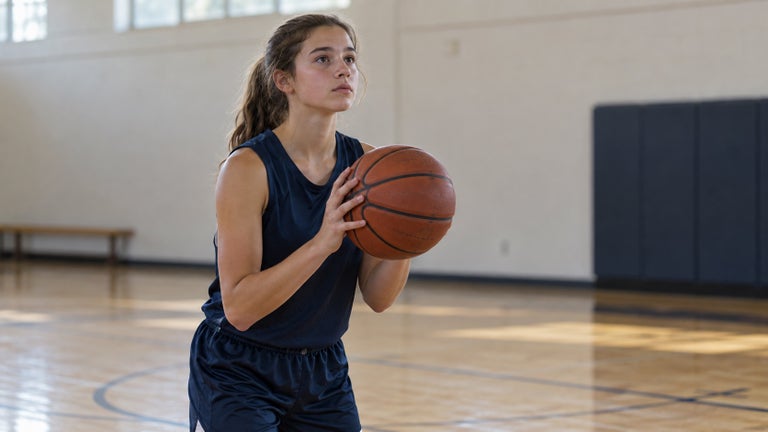
Two minutes left in a tied game, and a kid steps to the free-throw line with the whole gym on its feet. The athlete Texas Sports Academy is built for makes that shot… or misses it and plays the next possession clean. Years later, the same steady head reads a sponsorship offer with their own name on it.
Put that student-athlete in a traditional school, and they’re finishing homework on the bus at ten at night, splitting every week between practice and grades, and living on a schedule that treats the sport as the thing getting in the way.
Texas Sports Academy turns that around. Once the morning’s academics are finished, the afternoons go to team sports, sports psychology, and NIL readiness.
At Texas Sports Academy, kids train in their sport… duh. But they also build skills around managing their brand, image and likeness, business decisions as an athlete, money management, articulate self-expression. All the skills that make a professional athlete a professional.
This is training for life while training their jump shot.
GT School: Critical Thinking and Communication
- 📍 Location: Georgetown, TX (north of Austin)
- 🎓 Grades: Grades 3–8
What does a school do with the kid who gets to the answer first?
Usually, it hands them more questions. A thicker packet, an advanced class, a grade skipped. The prize for finishing first is more to finish.
GT School is built for that same gifted kid, but sees a different gap: getting to the answer first is worth less if your skills are tied to the classroom.
Picture the brightest student you’ve taught. They can get the answer right, but sharing working, supporting others, managing frustration can often prove more challenging than the lesson itself.
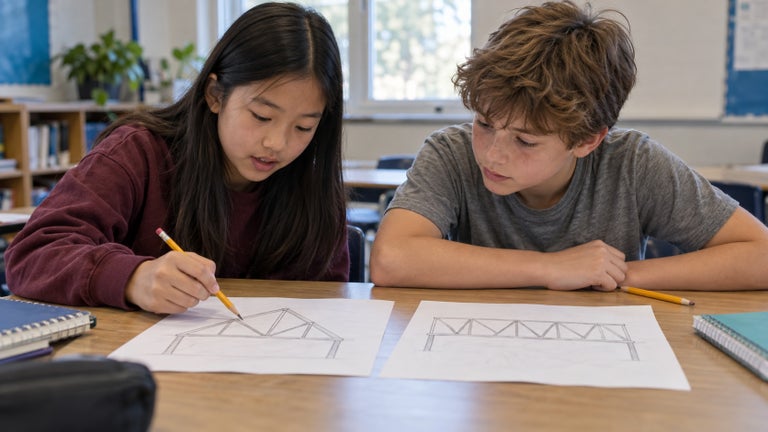
GT School is a selective gifted-and-talented school geared for those kinds of kids. Students are supported through accelerated academics, pushing at the pace that their minds work at. Then they dedicate the rest of the day to the skills that make that horsepower work for them out in the real world.
Life skills span coaching through resistance, receiving constructive criticism, emotional regulation, resilience, communication. Applied workshops let them sink their teeth into chess, robotics, systems engineering, Socratic discussion.
It’s all about academic acceleration while preparing students for the world on the other side of the classroom.
NextGen Academy: Game Development and Teamwork
- 📍 Location: North Austin, TX
- 🎓 Grades: 5-8
The kids NextGen Academy are built for don’t stop at playing the game. They want to know how it was made, and then they want to make a better one.
Put the controller down. Gamers hear that line from almost every adult in their lives, teachers included. Of all the interests school files under distraction, gaming sits right at the top of the pile.
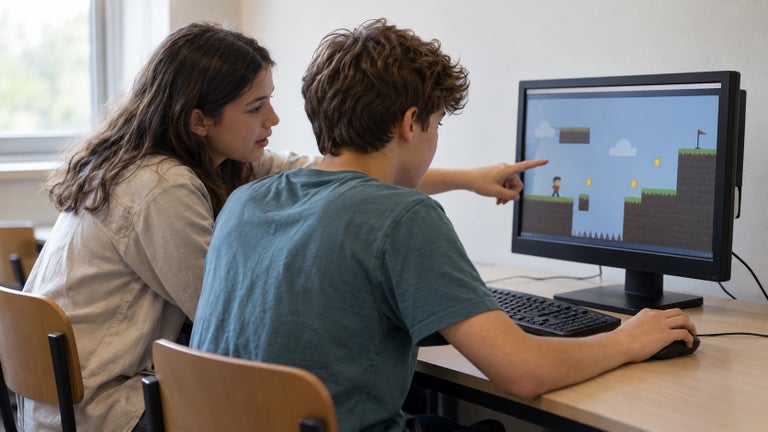
At NextGen, students learn life skills through esports and game development. The controller stays in their hands. What changes is what they’re asked to do with it.
NextGen kids use games like Fortnite and Overwatch as a crucible-style learning environment for developing skills around leadership, teamwork, public speaking, and resilience in an immersive, tech-driven environment. Whether they’re providing live commentary by shoutcasting a tournament or developing original video games to tackle global climate issues, students are constantly pushed to feed their passion into out-of-game capabilities.
It’s academic acceleration that meets students where they’re most engaged, turning what traditional classrooms file under distraction into their greatest asset.
Future Skills at Private Schools: Four Schools, No Academic Trade-Off
Let’s look at those generic graduate expectations again. Well-mannered. Hard-working. Diligent. Tries hard. Every word of it fits the founder, the athlete, the gifted kid, and the gamer.
Those qualities describe some of who they are. But they say very little about what these kids could become, given the time to build on their strengths.
This is where a lot of people start questioning what was given up in the process. This is one of those rare cases where we can say absolutely nothing.
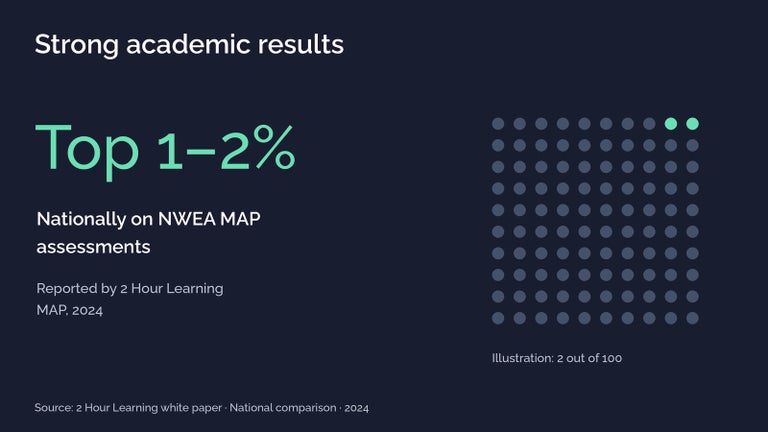
According to data coming from 2 Hour Learning, the tool all four of these schools run on, students working through these models consistently average in the top 1-2% (MAP, 2024) nationally across subjects. Again, those aren’t internal scores, they’re nationally recognized scores coming from NWEA’s Measures of Academic Progress test.
Skills don’t have to come instead of academics. You can (and should) be building for both.
Don’t settle for a school that treats every kid the same. Let your kids build the skills that make them future-ready and unique.
Similar post


Want to read more?
We have a lot more where that came from


 AI-first education leaders.